


Why support us ?
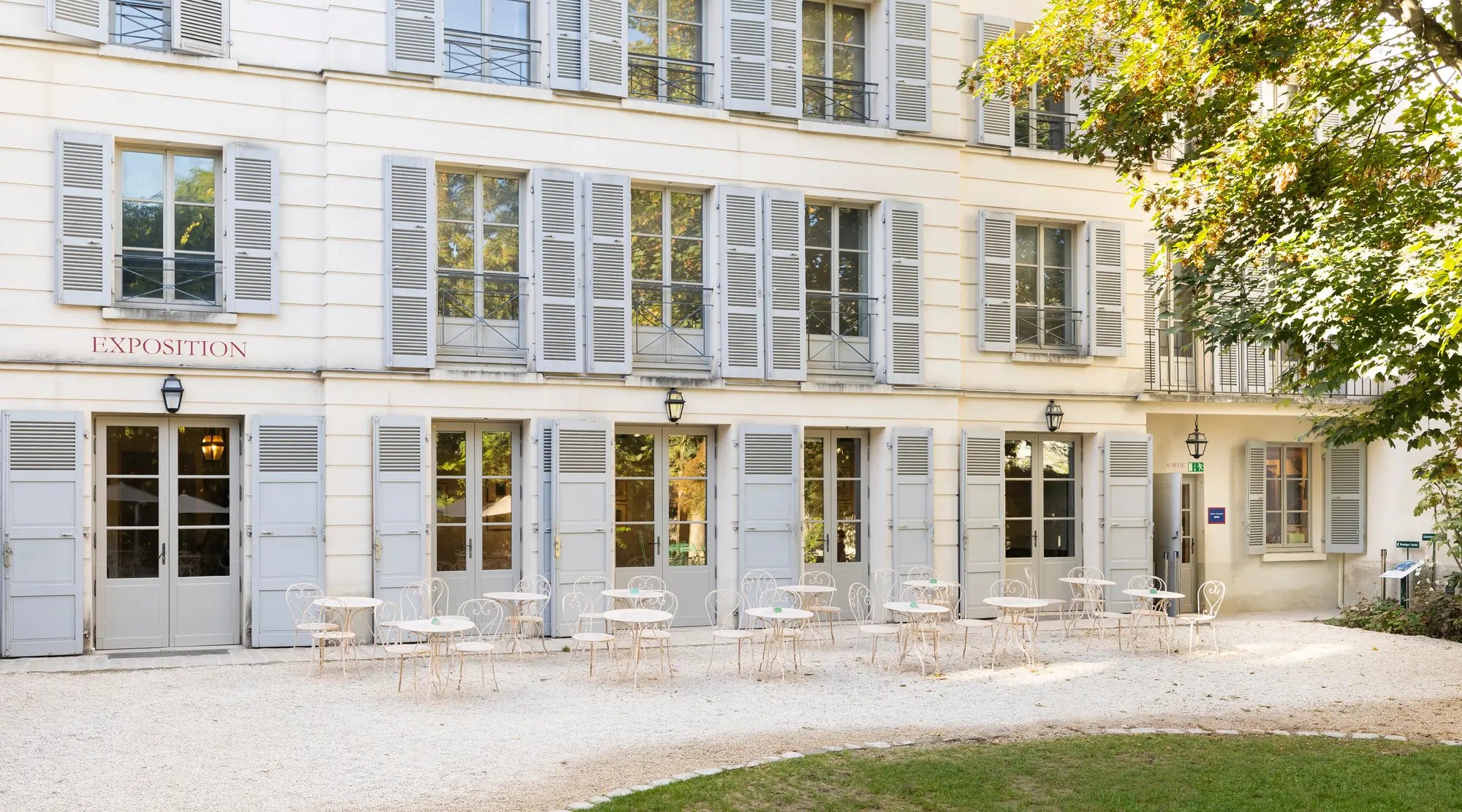
What is the Montmartre Museum?Located at the top of Montmartre Hill, just a short walk from the Sacré-Cœur, the Montmartre Museum offers an exceptional setting in the heart of Paris. Founded in 1960 in one of the hill’s oldest buildings, dating back to the 17th century, the museum and in particular the Maison du Bel Air served as a creative hub for numerous artists, including Auguste Renoir, Émile Bernard, Raoul Dufy, Charles Camoin, Suzanne Valadon, and Maurice Utrillo. Featuring gardens with breathtaking views of the Sacré-Cœur and the Montmartre vineyards, this timeless place brings to life the history of the Butte, the artistic vibrancy of its studios, and the atmosphere of its famous cabarets through a rich permanent collection and high-quality temporary exhibitions. | 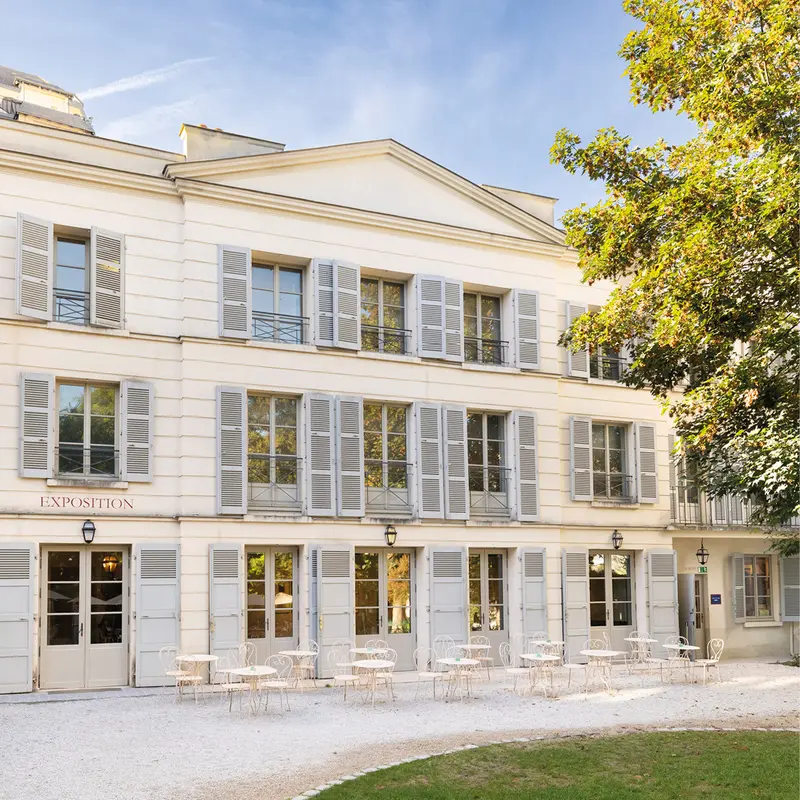 |
Why support us?
Becoming a patron of the Musée de Montmartre means taking part in a unique endeavor: preserving and passing on history. It was within the walls of what is now the Musée de Montmartre that Suzanne Valadon the first woman admitted to the Société nationale des Beaux-Arts in 1894 set up her studio. It was in its gardens that Auguste Renoir settled to paint many of his works, such as La Balançoire (1876), Le Bal du Moulin de la Galette (1876), and Jardin de la rue Cortot (1876).
With this in mind, the Musée de Montmartre plans to host major exhibitions highlighting the work of artists who came to live and find inspiration in Montmartre.
What are our projects?
The Fondation pour le Rayonnement du Musée de Montmartre is spearheading several projects under the auspices of the Fondation de France.
The renovation of the Chat Noir room
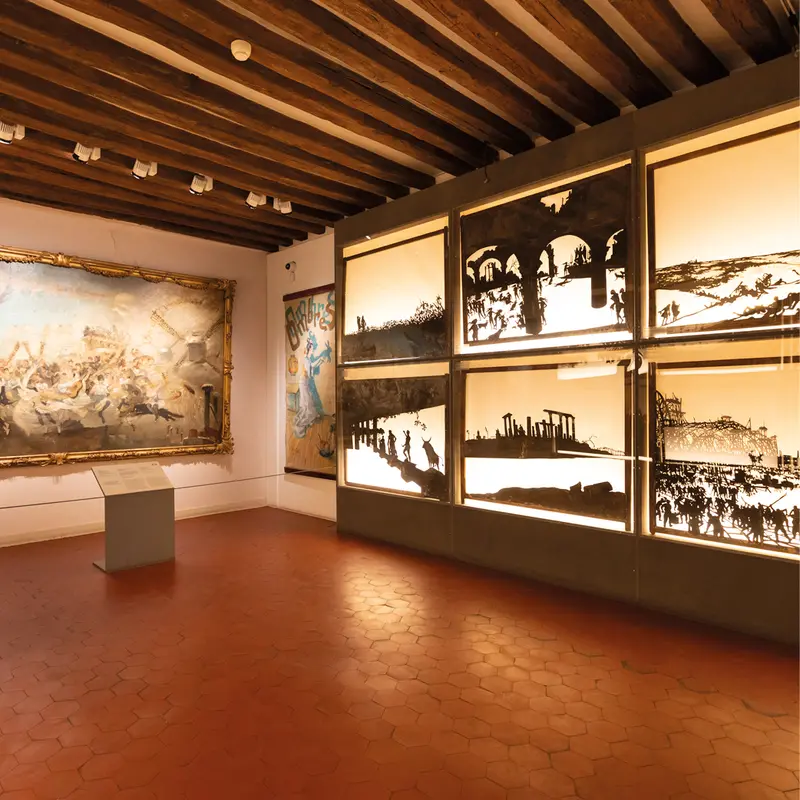 | Le Chat Noir is a famous cabaret in Montmartre founded in November 1881 by Rodolphe Salis, who also launched the weekly magazine of the same name. It had three successive locations in Paris, the first two under the direction of Salis, who died in 1897. Now located at the foot of Montmartre Hill at 68 Boulevard de Clichy in Paris’s 18th arrondissement, the Chat Noir cabaret was one of the major gathering places for Parisian high society and a symbol of bohemian life in the late 19th century. The composer Erik Satie composed one of his major works there, and the cabaret’s name was inspired by Edgar Allan Poe’s short story, “The Black Cat.” This scenographic project proposes the creation of a show combining lighting, video, and soundscapes. By immersing visitors in the atmosphere of this legendary cabaret, it recreates the magic of the shadow theater that was so popular in the late 19th century. With your help, the permanent collections of the Musée de Montmartre will be enhanced by an innovative scenographic design that will showcase the exceptional collection of zinc panels used as theater sets and the iconic paintings by Théophile-Alexandre Steinlen. |
Temporary ExhibitionsThanks to the renovation program launched in 2013, the Hôtel Demarne now hosts an ambitious series of temporary exhibitions under conditions that comply with international museum standards and meet the requirements of preventive conservation. The museum’s curatorial program focuses on highlighting the significance of the artistic flourishing on the Butte Montmartre from the second half of the 19th century to the first half of the 20th century. For each of its temporary exhibitions, the Musée de Montmartre publishes a bilingual catalog featuring contributions and essays by leading scholars. Each exhibition also gives rise to a cultural outreach program for young audiences, extensive publicity, the creation of institutional partnerships, and other initiatives such as lecture series or study days, all of which help maximize the exhibitions’ impact on the public. Your contribution will help ensure the success of these exhibitions and offer our visitors a unique experience. | 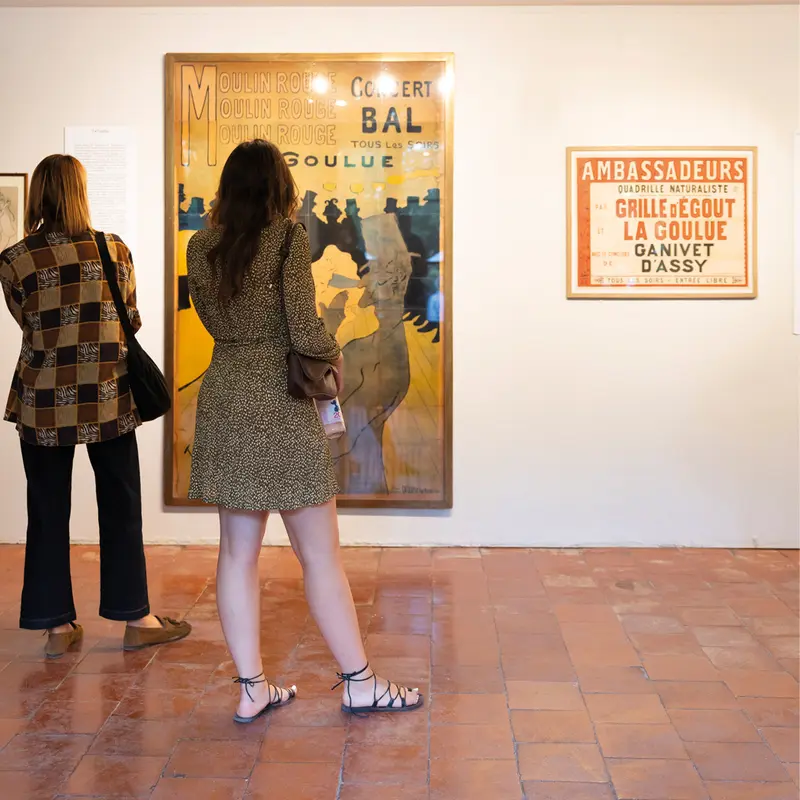 |